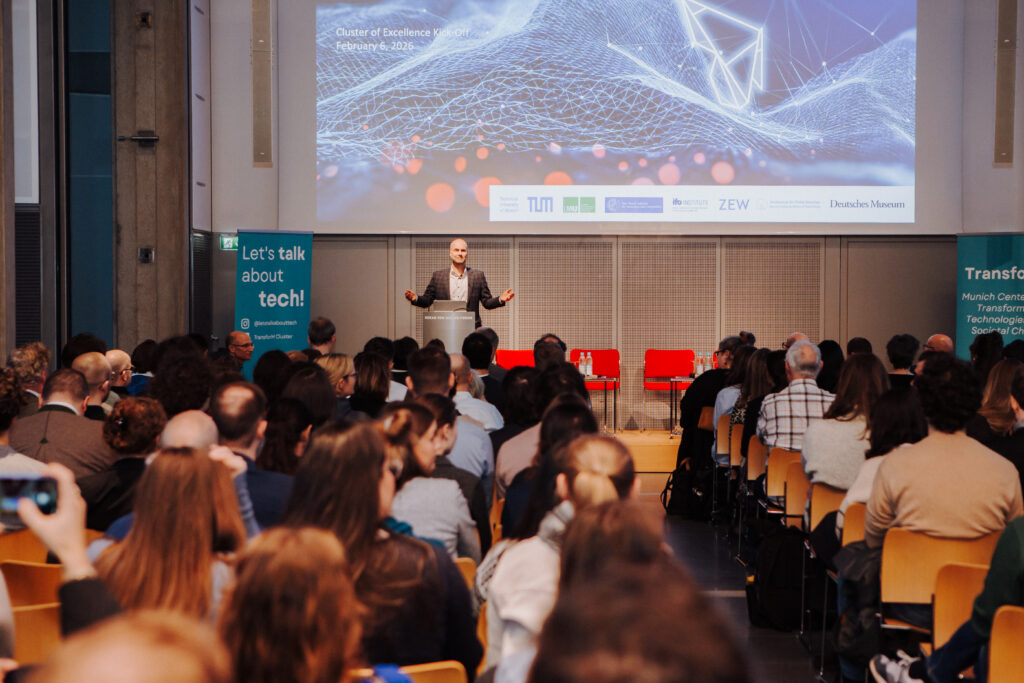
On February 6th, the Cluster of Excellence – Munich Center for Transformative Technologies and Societal Change (TransforM) – kicked off with a public event at the Oskar von Miller Forum.
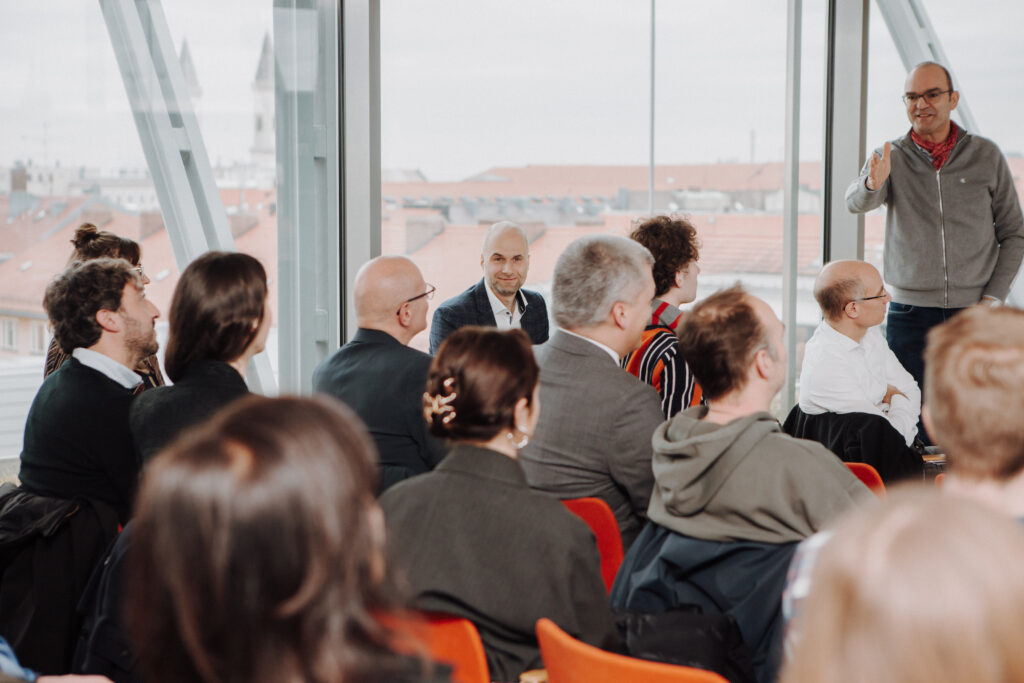
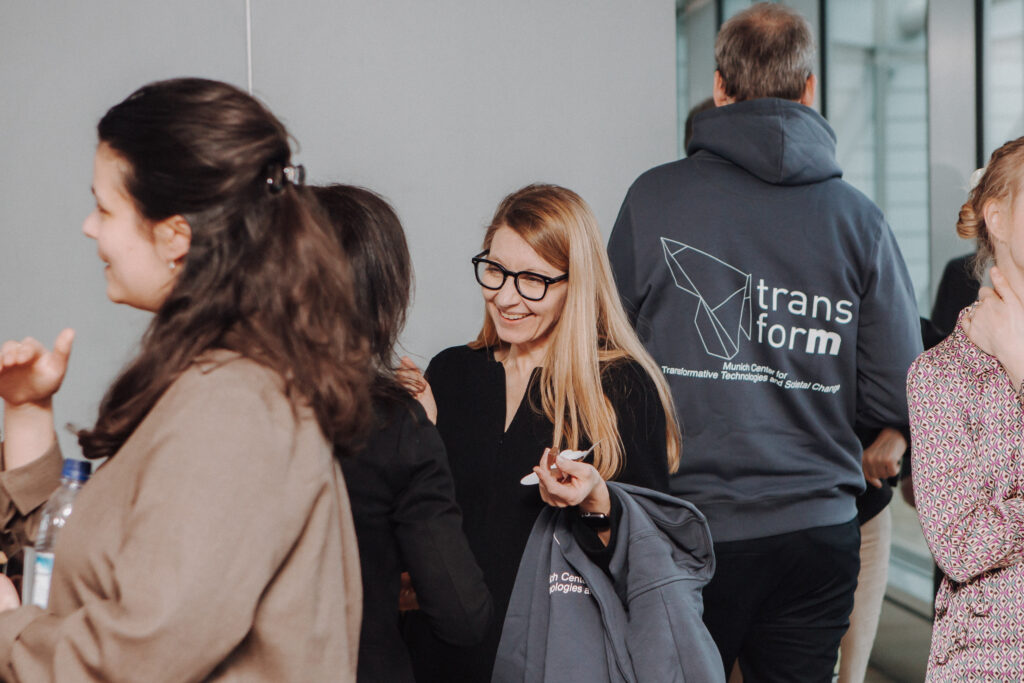
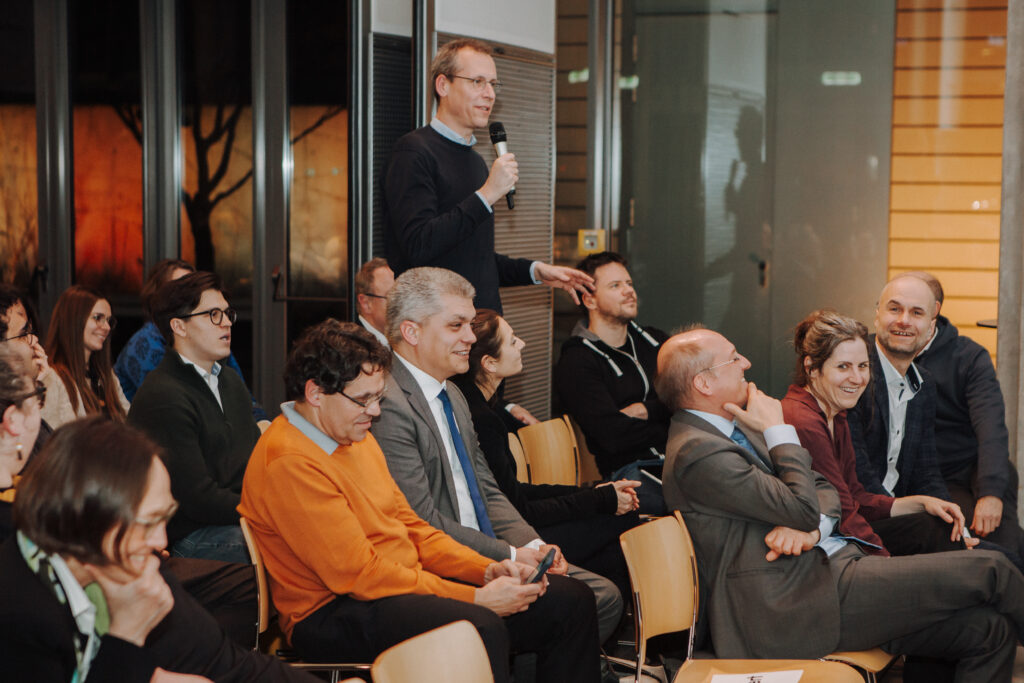
Members of the TransforM Cluster, along with experts from academia, government, civil society, and the public at large, gathered to discuss the role of transformative technologies in shaping the future. Joined by representatives from the City of Munich, LMU, TUM, the ifo institute, ZEW, and the Federal Agency for Breakthrough Innovation SPRIN-D, the event brought responsible innovation research to the forefront of this public discussion, with the goal of broadening Munich’s (and Germany’s) approach to technology and innovation.
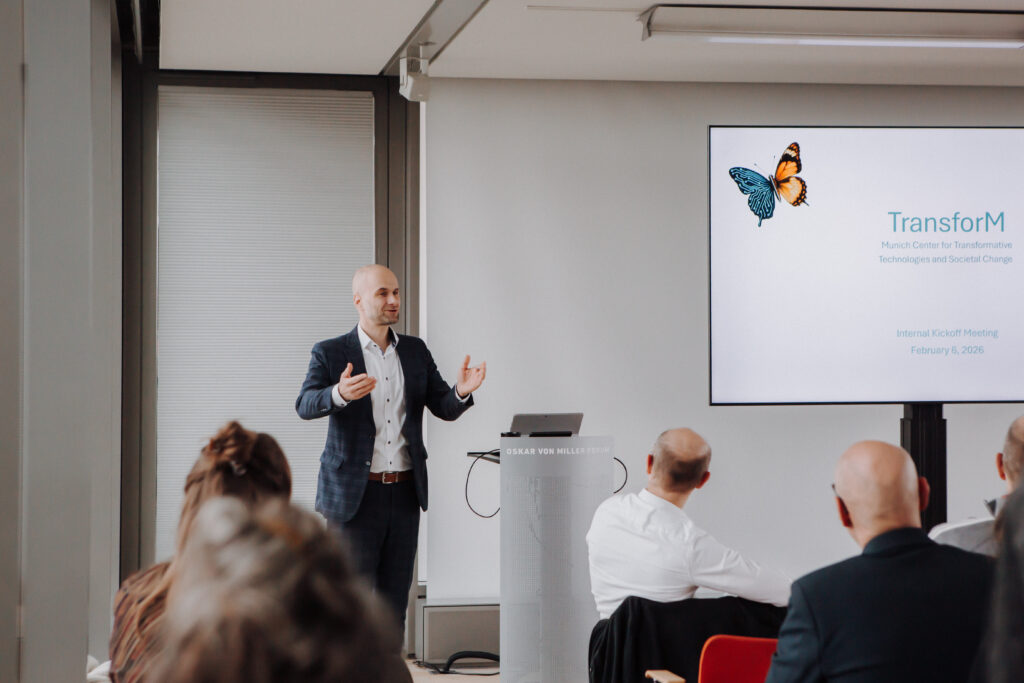
The evening started with a welcome presentation by Cluster’s Spokesperson Professor Sebastian Pfotenhauer, walking the audience through the goals of TransforM, the motivation for creating such a cluster, and the pathways to impact that TransforMaims to build. TUM Executive Vice President for Research and Innovation Professor Gerhard Kramer then a welcome speech, outlining the achievements of TUM as a University of Excellence and the important role of social science research for advancing research also in technical fields.
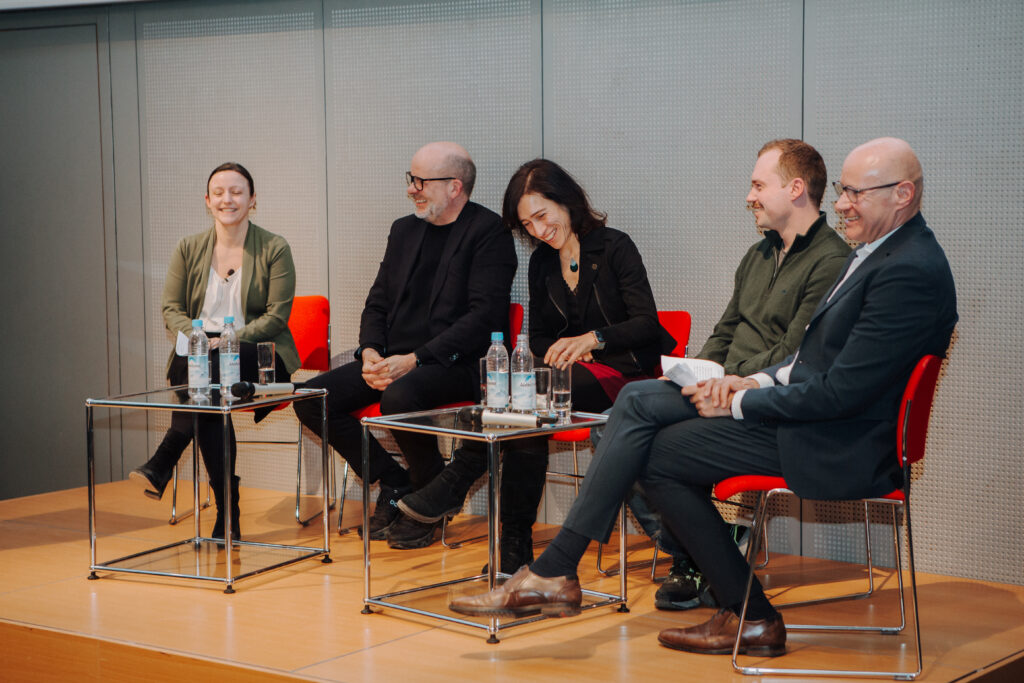
A panel discussion followed, moderated by TransforM Cluster Co-Spokesperson Professor Hanna Hottenrott and joined by Fabian Kors (City of Munich), Oliver Falck (LMU), Rafael Laguna de la Vera (SPRIN-D), and Sabina Leonelli (TUM).