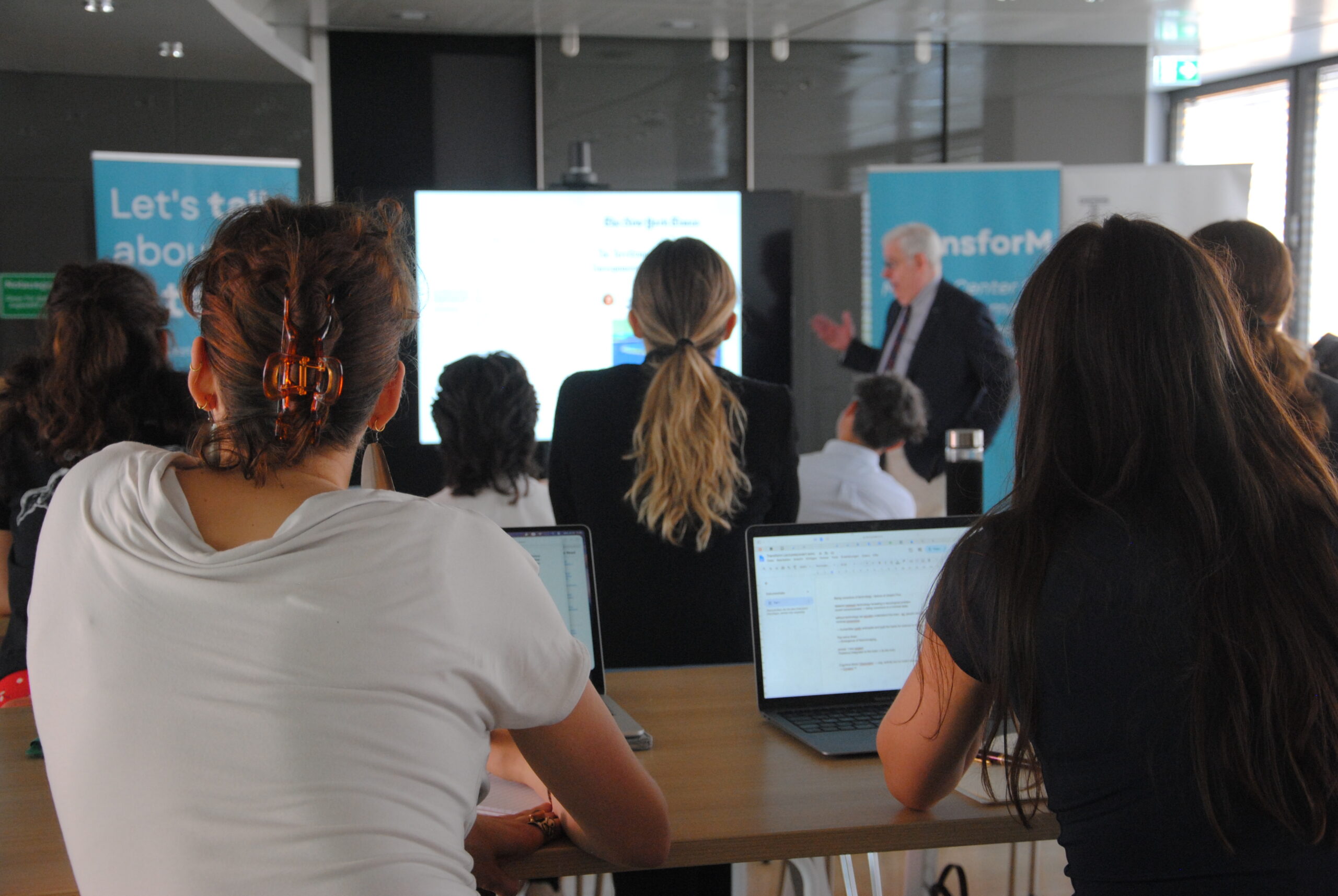

As part of the TransforM Seminar Series, the Laboratory of Ethics of AI & Neuroscience (Prof. Ienca) and TUM Think Tank recently co-hosted a special event with TransforM exploring how rapid advances in neuroscience and neurotechnology are reshaping medicine, society, and our understanding of what it means to be human. Bringing together internationally renowned experts Prof. Dr. Joseph Fins (Weill Cornell Medicine and Yale) and Prof. Dr. Judy Illes (University of British Columbia), the event offered an interdisciplinary perspective on the transformative potential of emerging neurotechnologies and the ethical, social, and cultural challenges they raise.
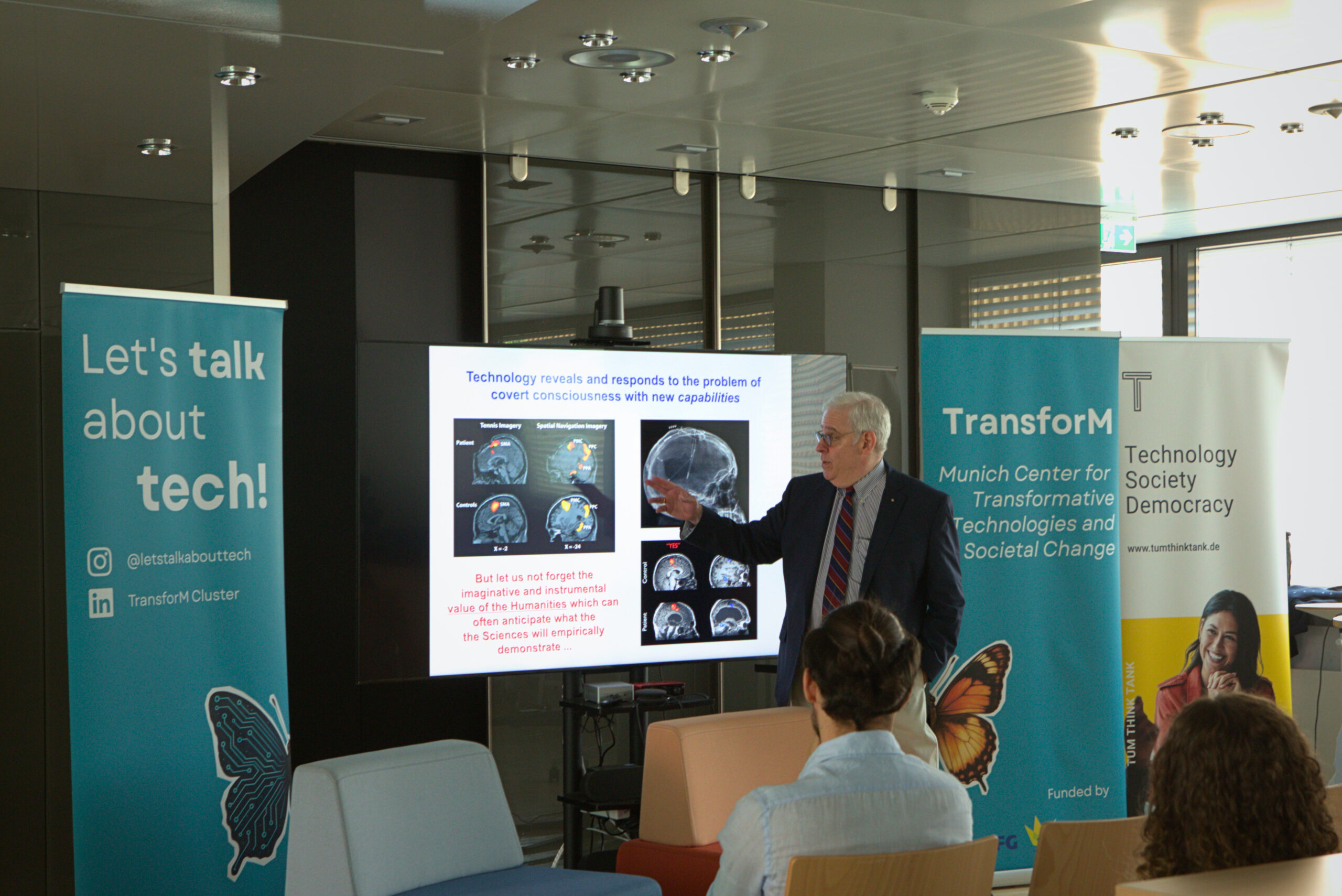
Opening the event, Professor Joseph J. Fins presented Being Conscious of Technology, drawing on his pioneering research into disorders of consciousness. His lecture traced how innovations in functional neuroimaging and deep brain stimulation have transformed the diagnosis and treatment of patients with severe brain injuries, revealing covert consciousness in individuals previously believed to be entirely unresponsive.
Beyond demonstrating the remarkable clinical potential of these technologies, Professor Fins reflected on their broader implications for medicine and society, showing how technological innovation compels us to rethink long-standing assumptions about consciousness, personhood, dignity, autonomy, and the ethical obligations owed to some of the most vulnerable patients. His work exemplifies how advances in neuroscience can fundamentally transform both clinical practice and the moral frameworks through which we understand human life.
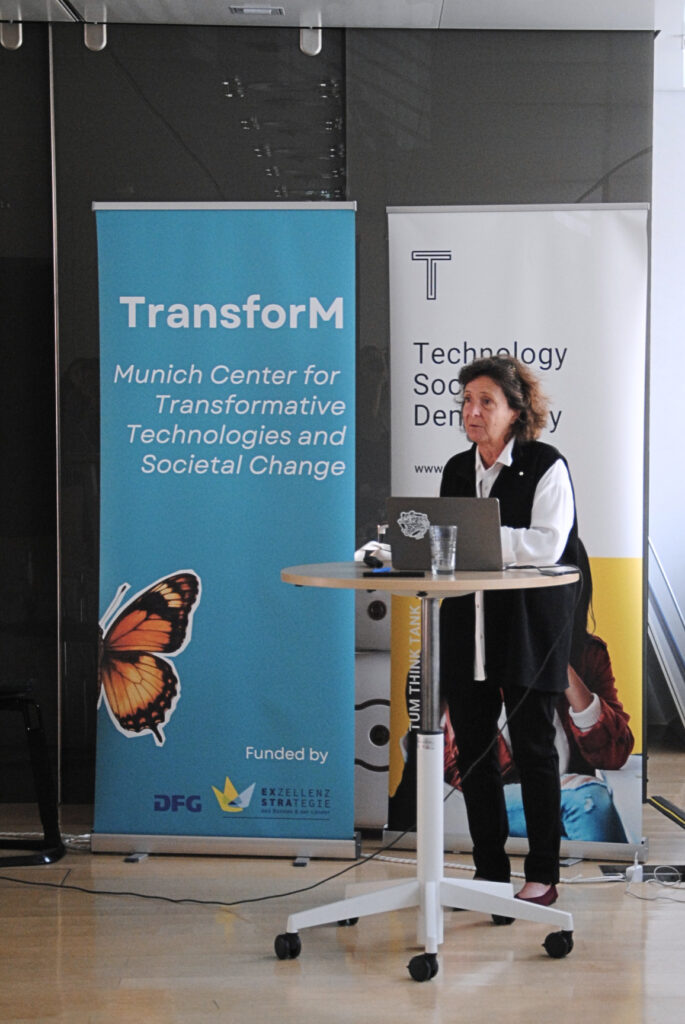
Professor Judy Illes followed with Cultural Transformations in Medicine and Neurotechnology, offering a complementary perspective on the societal dimensions of technological change. Drawing on decades of collaborative research with Indigenous communities in Canada, she examined how neuroscience and neurotechnology can move beyond historical patterns of technological colonialism toward more inclusive, culturally responsive, and socially sustainable models of innovation.
Through examples ranging from community-led Alzheimer’s research to emerging neurotechnologies, Professor Illes highlighted the importance of concepts such as Two-Eyed Seeing, data sovereignty, equitable innovation, and respect for diverse systems of knowledge. Rather than viewing ethics as a constraint on technological progress, her lecture demonstrated how integrating cultural perspectives can strengthen scientific research, improve healthcare, and foster more trustworthy and socially legitimate technological development.
These two lectures vividly illustrated the mission of TransforM: to understand not only how new technologies transform society, but also how societal values, institutions, and cultural diversity must shape the development and governance of technology.
By bringing clinical neuroscience into dialogue with ethics, the humanities, and social sciences, the event highlighted the importance of interdisciplinary collaboration in addressing the profound transformations driven by AI and neurotechnology. It also provided an ideal intellectual bridge to the subsequent International Brain Initiative workshop, where international experts convened to develop an operational toolkit for the responsible governance of AI processing of neural data, thereby translating ethical principles into practical guidance for research, innovation, and policy.