

European research and funding policies have increasingly sought to orient research and innovation towards transformative change. A prominent expression of this agenda is the development of nature-based solutions, which challenge the conventional separation between construction and nature conservation by instead promising to ‘build with nature.’
Lucas Brunet, Research Assistant Professor and Co-director of the working group Innovation and Transition at INRAE’s LISIS laboratory, studies how research agendas and environmental policies meet with the feral more-than-human world in practice.
His work examines contemporary transformations in research for nature conservation by drawing on Science and Technology Studies (STS), environmental sociology and the sociology of emotions.
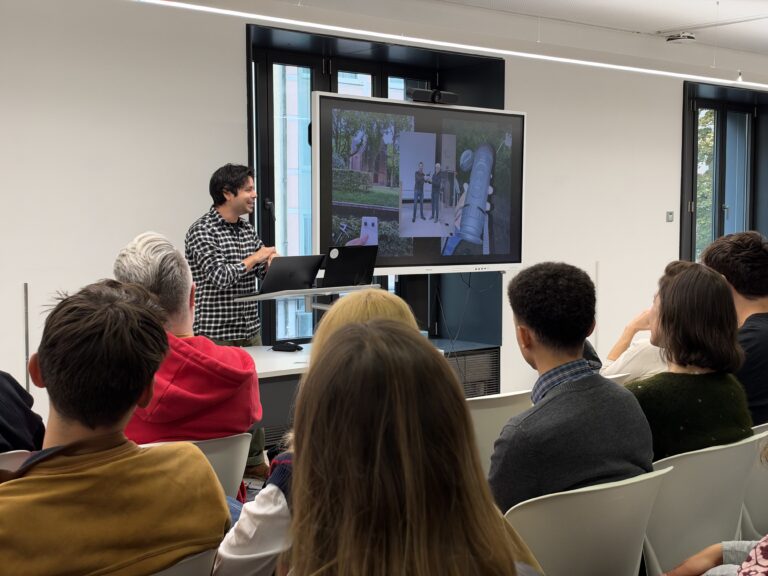
Brunet presented his ongoing research on bat conservation infrastructures at the TransforM Seminar Series, this time in collaboration with the 2026 Autumnal PhD Colloquium of TUM’s STS Department.
The natural world is not easily contained. Bats circulate in networks of roosts rather than settling in a single site. They prefer expansive habitats and often elude monitoring altogether. Infrastructure designed for them has to contend with animals that do not stay where they are put.
Certainty is a utopian requirement. Nature-based solutions frequently assume a degree of predictability that the natural world does not provide. Planning and assessment procedures demand certainty about where species are, how many there are and how they will respond, and bats turn out to not be easily predicted.
Bats are inherently social (and not just in the way you think). Different regulations and assessment practices in bat conservation give way to a variety of expert communities. Not just for this reason have bats acquired different meanings to different actors. For some, bats are a viral threat and symbol of evil; for others they are a source of national pride in protecting a native species, and for others still, a source of income or a research companion.
Ecological infrastructures are not transformative in themselves, but rather in what they promise to achieve. Bat boxes or bat towers in practice do not always yield the promised results. What drives change are the social worlds they assembled around the and the claim that the assumed tension between construction and conservation can be reconciled.
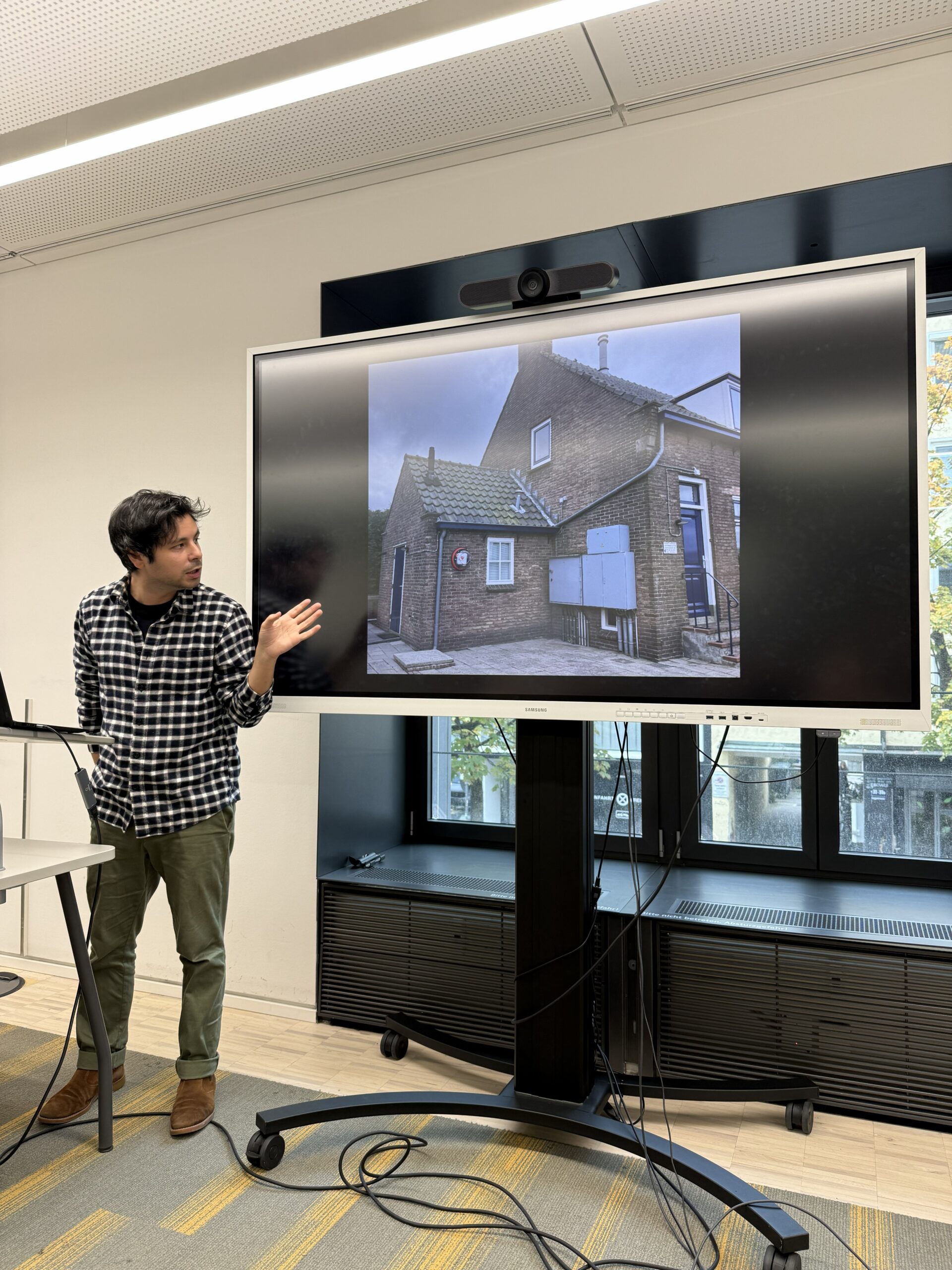
For more information about Brunet’s project “Constructing with nature to save it: Ecological infrastructures and the reconfigurations of the relevance of ecological sciences”, see: https://www.lucasbrunet.eu
and
Brunet, L. (forthcoming). Caring for Bats in the Dark: Expertise and the Making of Multispecies Conservation Infrastructures in Ritter C. and Pikner T. Routledge Handbook on Multispecies Encounters and Care in More-than-human Worlds